This article is designed for Utah parents who want to understand the early signs of autism in toddlers and how to take proactive steps toward support and intervention.
Understanding Autism Spectrum Disorder
Autism Spectrum Disorder (ASD) is a developmental disorder that affects communication, behavior, and social interaction. Early identification is crucial, as it allows for timely intervention, which can significantly improve outcomes for children. In this article, we will explore the early signs of autism in toddlers, provide a checklist for parents, and offer practical steps to take if you have concerns.
Early Signs of Autism in Toddlers
Recognizing the early signs of autism can be challenging, especially since every child develops at their own pace. However, certain behaviors may indicate that a child is on the autism spectrum. Here’s a checklist of early signs to watch for in toddlers:
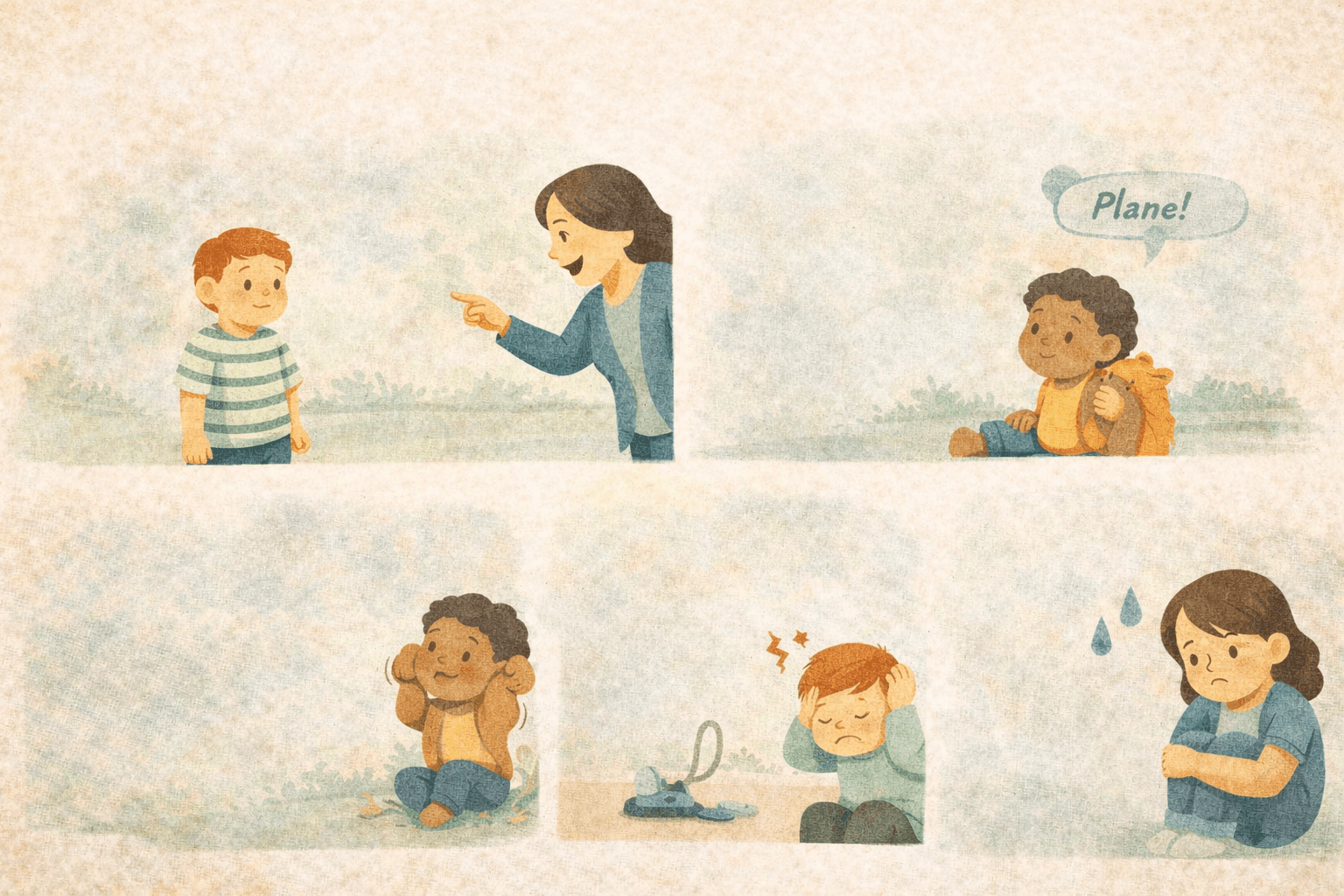
- Social Interaction: Limited eye contact, lack of response to their name, and difficulty understanding social cues.
- Communication: Delayed speech development, limited use of gestures (such as pointing or waving), and difficulty initiating or maintaining conversations.
- Repetitive Behaviors: Engaging in repetitive movements (like rocking or hand-flapping), insistence on sameness, and intense interest in specific topics.
- Play Skills: Limited imaginative play, preferring to play alone, and difficulty engaging with peers.
- Emotional Responses: Difficulty understanding or expressing emotions, and unusual reactions to sensory experiences (e.g., sounds, textures).
Developmental Milestones to Consider
In addition to the checklist above, it’s essential to be aware of developmental milestones. The Centers for Disease Control and Prevention (CDC) provides a timeline for expected developmental skills. If your child is not meeting these milestones, it may be time to consult a professional.
Practical Steps for Parents
If you notice any early signs of autism in your toddler, consider the following steps:
- Monitor Development: Keep track of your child’s developmental milestones and behaviors. Consider using a journal or app to document your observations.
- Talk to Your Pediatrician: Schedule a visit with your child’s healthcare provider to discuss your concerns. Be prepared to share specific examples of behaviors you’ve observed.
- Seek a Specialist: If your pediatrician recommends further evaluation, consider consulting a specialist in child development or a pediatric neurologist.
- Explore Early Intervention Services: In Utah, early intervention services are available for children who qualify. These services can include speech therapy, occupational therapy, and behavioral therapy.
- Connect with Support Groups: Reach out to local support groups for parents of children with autism. Sharing experiences and resources can provide valuable support.
Utah-Specific Resources
In Utah, several organizations and resources are dedicated to supporting families with children on the autism spectrum. Here are a few to consider:
- Utah’s Early Intervention Program: This program provides services for children under three years old who have developmental delays or disabilities.
- Autism Council of Utah: This organization offers resources, advocacy, and support for families affected by autism.
- Utah Parent Center: They provide information and support to families of children with disabilities, including autism.
Key Takeaways
- Early signs of autism can include difficulties with social interaction, communication, and repetitive behaviors.
- Monitoring your child’s development and consulting with a pediatrician are crucial steps if you have concerns.
- Utah offers a range of resources and support for families navigating autism.
Next Steps
If you’re concerned about your toddler’s development, take the next steps to ensure they receive the support they need:
- Explore our directory of local providers for specialists in your area.
- Use our cost estimator to understand potential expenses related to autism services.
- Take our quiz to assess your child’s development and determine if further evaluation is needed.
Frequently Asked Questions
What should I do if I suspect my child has autism?
If you suspect your child may have autism, the first step is to consult your pediatrician. They can provide guidance, recommend evaluations, and help you understand the next steps.
Are there specific tests for diagnosing autism?
There is no single test for autism. Diagnosis typically involves a comprehensive evaluation by a specialist, including developmental assessments and observations.
What resources are available for families in Utah?
Utah offers various resources, including early intervention programs, support groups, and educational materials through organizations like the Autism Council of Utah and the Utah Parent Center.
Can early intervention really make a difference?
Yes, early intervention can significantly improve outcomes for children with autism. It can enhance communication skills, social interactions, and overall development.
How can I support my child if they are diagnosed with autism?
Support your child by seeking appropriate therapies, connecting with support networks, and advocating for their needs in educational and social settings.
Next Step
Find ABA providers near you
Browse our Utah directory by county to see who's available in your area.
Wondering about cost?
Estimate ABA therapy costs
Use our planning estimator to prepare questions about costs and coverage.
Still unsure?
Explore your next step
Organize your questions and explore resources for your next conversation.
Related Articles
Continue reading with these related posts

How Much Does ABA Therapy Cost Per Month in Utah?
Discover the monthly costs associated with ABA therapy in Utah, including factors that influence pricing and tips for finding affordable options.

ABA Therapy vs. Other Autism Interventions
Explore the differences between ABA therapy and other autism interventions to make informed decisions for your child's needs in Utah.

Does Insurance Cover ABA Therapy in Utah? Complete 2026 Insurance Breakdown
Yes! Insurance covers ABA therapy in Utah—and in 2026, Utah families have more comprehensive coverage than ever before.
Stay in the loop
Helpful resources for your next step.
Let the Utah ABA team know you would like resources and provider updates.